



Structured cabling built clean, tested, and ready to grow.
FFT designs and installs Cat6, Cat6A, fiber, racks, pathways, and connected infrastructure for Southern California businesses—from one new drop to a complete office or facility build-out.
Cabling should simplify the network—not become another problem.
Behind every access point, workstation, camera, phone, conference room, and connected device is physical infrastructure that has to be planned correctly.
FFT looks beyond the cable itself. We consider pathways, distances, equipment locations, rack layout, service loops, labeling, device requirements, future capacity, and the people who will support the environment after installation.
From the wall plate to the network room.
A focused cabling project or a coordinated infrastructure package for a larger construction, relocation, security, or technology initiative.
Cat6 & Cat6A Cabling
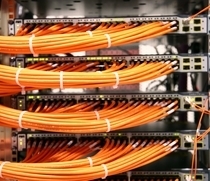
Structured copper cabling for workstations, phones, printers, access points, cameras, control systems, and other connected devices.
Fiber Optic Cabling
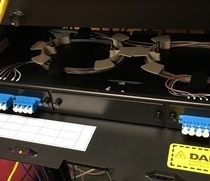
Single-mode and multimode fiber for backbones, building links, long distances, high bandwidth, and electrically challenging environments.
Racks, Patch Panels & Network Rooms
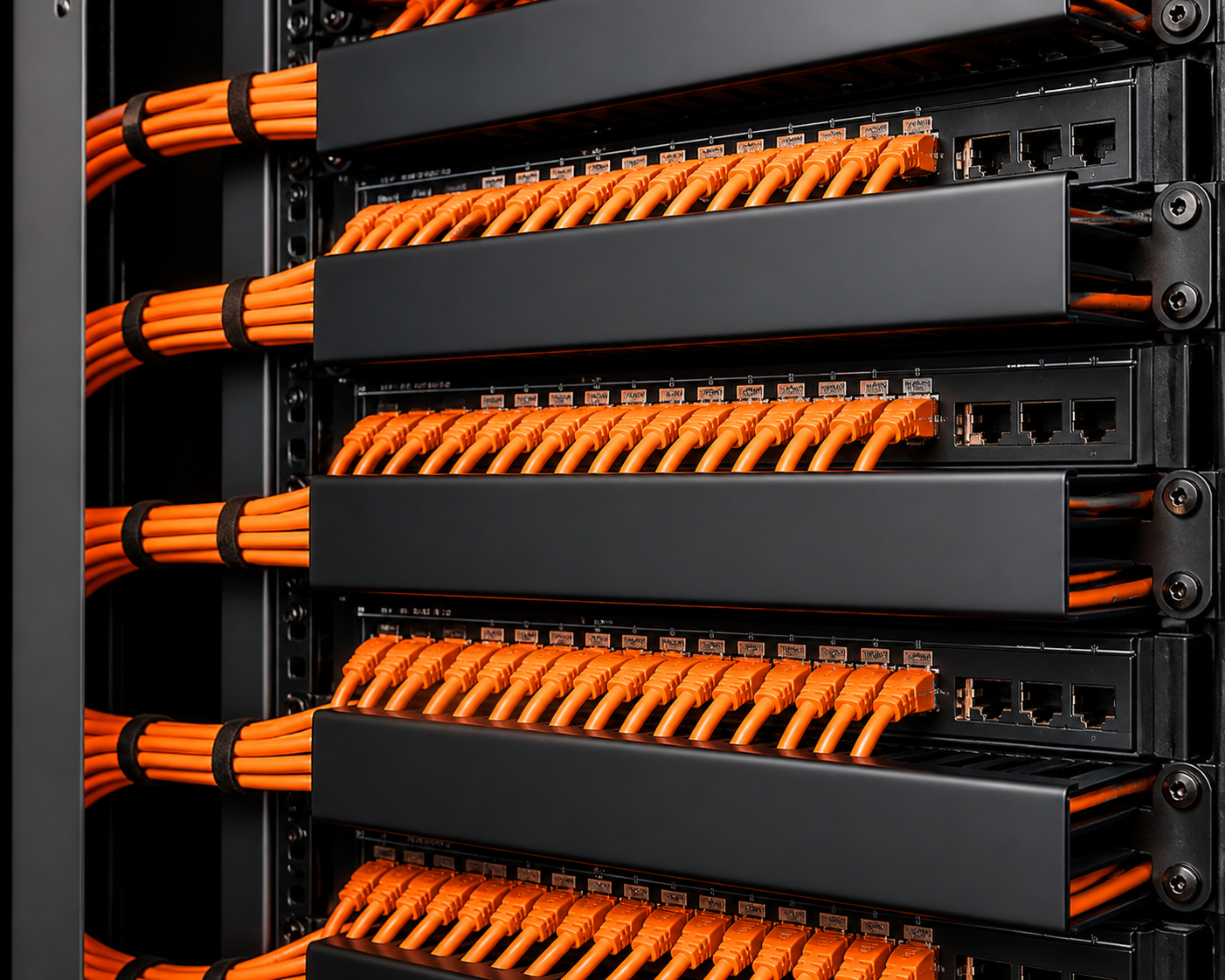
Organized racks, patching, cable management, equipment layouts, telecom rooms, MDF/IDF planning, and cleanup of existing infrastructure.
Wi-Fi & Device Drops
Purposeful cable locations for wireless access points, cameras, access control, displays, phones, conference rooms, and specialty devices.
A/V & Collaboration Cabling
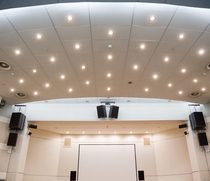
Pathways and cabling support for conference rooms, displays, speakers, control systems, intercoms, and integrated audio/video environments.
Moves, Additions & Build-Outs
New offices, renovations, expansions, relocations, refreshes, repairs, tracing, cleanup, and phased infrastructure improvements.
Network cabling is infrastructure—not an afterthought.
This FFT overview explains how thoughtful cabling supports the systems a business depends on every day.
Plan it, build it, test it, and leave it understandable.
Define the need
Users, devices, spaces, bandwidth, network rooms, schedule, access, construction conditions, and future plans.
Map the system
Routes, pathways, cable types, quantities, endpoints, racks, patching, labels, and trade coordination.
Build cleanly
Pull, support, terminate, dress, identify, protect, and coordinate the approved installation.
Test the work
Check performance and workmanship, correct issues, and confirm the result against the project scope.
Document + support
Provide practical records, review the finished environment, and support cutover or future changes.
A good installation keeps paying off after the ceiling closes.
The real measure of cabling quality appears during the next move, outage, device change, expansion, or handoff.
Well-planned infrastructure gives technicians a clear path, reduces accidental disruption, and helps the business make changes without rebuilding what should have been permanent.
Cabling for focused upgrades and complete environments.
Office Build-Outs
Coordinate cabling, pathways, rooms, Wi-Fi, security, A/V, and device locations before finishes close.
Business Relocations
Prepare the new location, move supported systems, complete cutover, and help employees return to work.
Expansions & Renovations
Add capacity, reorganize infrastructure, support new layouts, and correct inherited cabling problems.
Security & Data Centers
Build the physical connectivity behind cameras, access control, racks, servers, storage, and critical systems.
Built around your needs—not a quota.
“At FFT, we are focused on delivering I.T. solutions that meet your needs, not our quotas. We treat your business like it is our own.”Don McKinnon · FFT Owner/Director

Network cabling—explained.
Every project is shaped by the building, devices, distances, schedule, and future plan.
Should we use Cat6 or Cat6A?
The right choice depends on distance, bandwidth goals, device requirements, pathway space, environment, budget, and how long the installation needs to serve the business. FFT evaluates the actual use case rather than applying one cable type everywhere.
Does FFT test and label installed cabling?
Testing, labeling, and documentation are planned around the project scope. FFT identifies both ends, validates the installed work, addresses issues, and provides practical handoff information appropriate to the project.
Can FFT clean up an existing network rack or cabling mess?
Yes. FFT can trace, identify, reorganize, re-terminate, remove abandoned cabling where appropriate, improve patching and cable management, and document the resulting environment.
Can you coordinate cabling during construction or an office move?
Yes. Early coordination is ideal because pathways, walls, ceilings, power, equipment rooms, furniture, security, A/V, and carrier services all affect the cabling plan.
Do you install cabling for cameras, access points, and conference rooms?
Yes. FFT supports network and low-voltage connectivity for access points, cameras, access control, phones, displays, conference rooms, control systems, and other connected devices within the approved project scope.
How long does a network cabling project take?
Timing depends on design readiness, quantities, building access, ceiling and pathway conditions, working hours, construction sequencing, material availability, testing requirements, and coordination with other trades. FFT develops the schedule around the real project conditions.
Give every connected system a better foundation.
Tell us what you are building, moving, expanding, cleaning up, or connecting. FFT will help turn the requirements into a practical cabling plan.

 - Have a minimum of five reviews with a 5-star rating -
- Overall customer service rating of 4.5 or better -
- No customer complaints in the last 6 months -
- Reviews from customer you've done work for -

Small Business Enterprise (SBE)
FFT is a certified with the county of Los Angeles as a small business enterprise, qualifying us to work with Los Angeles World Airports, The Port of LA, & the LA Metro