
Build the space, infrastructure, and technology as one system.
FFT helps businesses plan and deliver offices, commercial environments, structured cabling, security systems, and data centers—with fewer gaps between construction, technology, and the people responsible for each.
See how FFT connects construction and technology.
A short overview of how FFT plans the physical environment, infrastructure, systems, and business requirements together.

The best time to coordinate technology is before the space is finished.
Walls, ceilings, pathways, power, cooling, network infrastructure, security, conference rooms, and operational technology all affect one another.
FFT helps owners, tenants, architects, contractors, facility teams, vendors, and internal IT make the important decisions in the right sequence.
Five ways FFT turns plans into working environments.
Choose a focused specialty or bring FFT in to coordinate a broader construction and technology program.

Business Relocation
Plan the new office, coordinate renovations and infrastructure, move supported technology, execute cutover, test systems, and prepare employees to work.
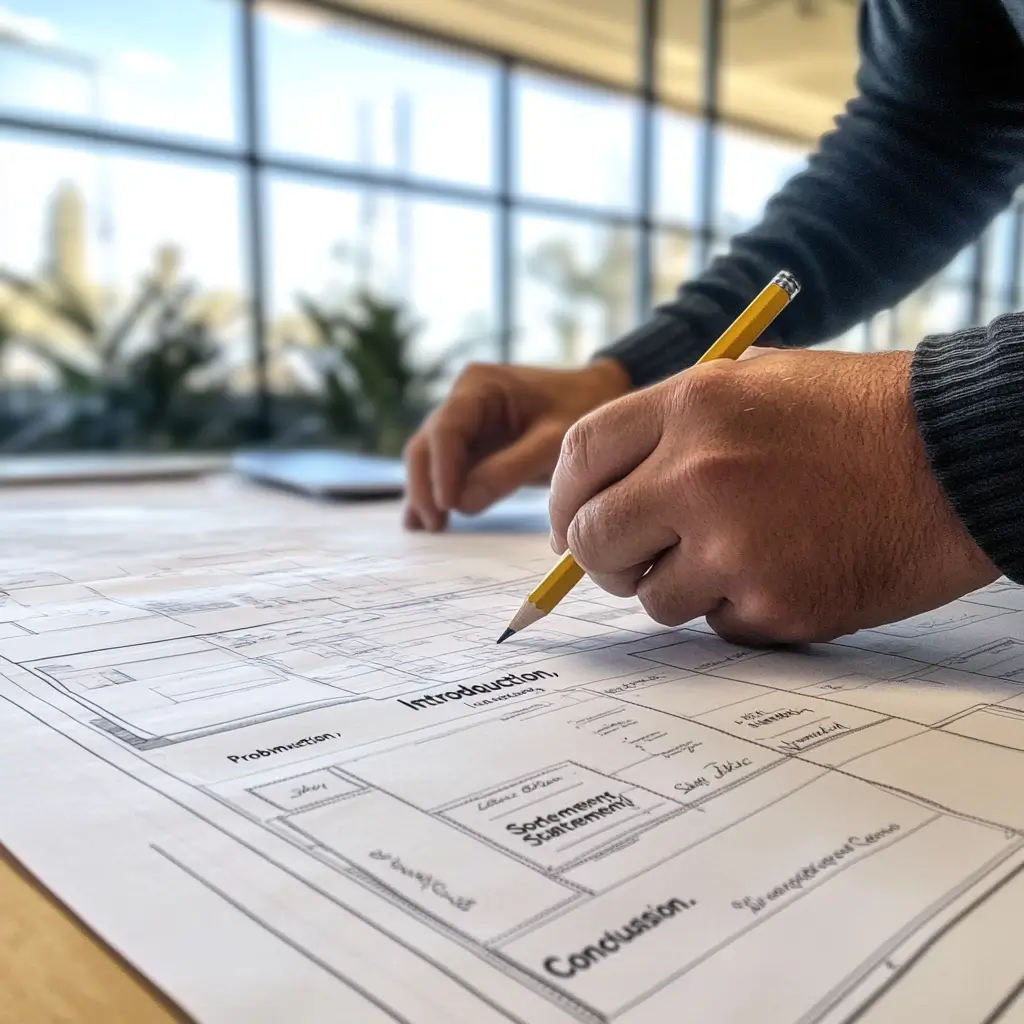
Commercial Construction
Coordinate commercial improvements, walls, finishes, lighting, HVAC considerations, infrastructure, and technology requirements within approved scope.

Network Cabling
Design and install organized copper, fiber, pathways, racks, telecom rooms, Wi-Fi infrastructure, labeling, testing, and documentation.

Security Cameras & Access Control
Plan and integrate commercial cameras, access control, monitoring, network requirements, and everyday operating workflows.

Data Center Design & Build
Plan and coordinate capacity, power, cooling, pathways, racks, connectivity, monitoring, access, and operational needs.
Technology lives in the gaps between traditional construction scopes.
A finished room is not necessarily a ready-to-work room. FFT tracks the dependencies that determine whether the whole environment actually functions.
Physical space
Layouts, walls, ceilings, doors, finishes, lighting, HVAC coordination, and access requirements.
Infrastructure
Pathways, power coordination, copper, fiber, racks, telecom rooms, Wi-Fi, and equipment locations.
Integrated systems
Networks, access control, cameras, conference rooms, A/V, phones, security, and cloud connectivity.
Operational readiness
Testing, documentation, cutover, employee workflows, vendor coordination, training, and post-project support.
Make decisions early, coordinate clearly, and test before handoff.
Define the outcome
Goals, users, spaces, equipment, systems, schedule, constraints, responsibilities, budget, and continuity needs.
Coordinate the plan
Requirements, drawings, pathways, room standards, locations, interfaces, trade scopes, and decision milestones.
Execute and track
Coordinate approved work, infrastructure, installations, vendors, changes, quality checks, and documentation.
Test and support
Validate systems and workflows, address punch-list items, prepare users, complete handoff, and stabilize operations.
Construction capability backed by deep technology experience.
FFT helps stakeholders resolve the issues that can be missed when physical construction and business technology are planned separately.
Project eligibility, trade participation, and specific work are confirmed according to the project, jurisdiction, licensing, and procurement requirements.

Construction Services—explained.
Start early when you can. Bring us in for a focused scope or for the full, connected environment.
When should FFT become involved in a construction or relocation project?
As early as practical. Early involvement gives the team more flexibility to coordinate pathways, power, cooling, equipment locations, internet service, security, A/V, and network infrastructure before changes become expensive or disruptive.
Can FFT act as the single project partner?
Depending on scope, FFT can coordinate the construction and technology transition, manage supported vendors and systems, and provide one accountable point of contact. Responsibilities are documented for the specific project.
Does FFT handle both construction and technology?
FFT connects approved construction services with network, cabling, access, cameras, conference room, A/V, data center, cloud, and end-user technology needs. Work is performed or coordinated according to applicable licensing and scope.
Can we hire FFT for only one specialty?
Yes. Each service path can support a focused project, and FFT can also coordinate a broader construction or relocation program when the dependencies overlap.
How are schedules and timelines determined?
Timing depends on design readiness, permitting, procurement, utility and carrier lead times, building access, trade sequencing, equipment availability, and the required testing and cutover. FFT develops the plan around the real project conditions rather than unsupported promises.
Bring construction and technology into the same conversation.
Tell us what you are building, renovating, moving, connecting, securing, or modernizing. FFT will help identify the dependencies and shape a practical next step.